- Feb 04 Tue 2020 01:07
-
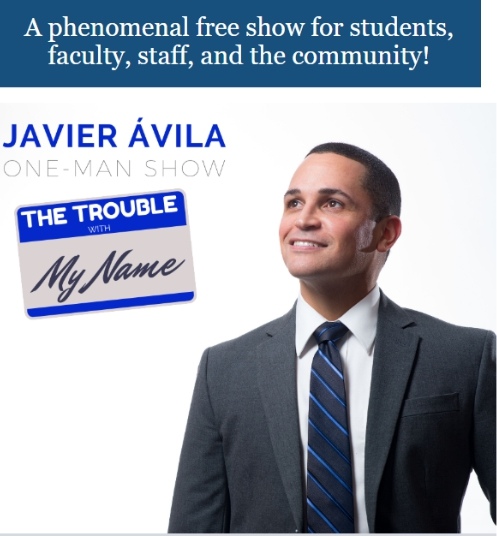
Javier Avila : The trouble with my name
- Jan 24 Fri 2020 09:45
-
Chinese Paper Cutting

For the coming Chinese New Year, we are going to write some lucky words in Chinese and do some paper cutting.
Most foreigners think that Chinese Writing is very difficult. As an Instructor, you may vary your activity to make Chinese Writing more fun. Today I would like to combine Chinese New Year and papper cutting together to make my class with happiness and joy. '
Lesson plan
warm up:
Ask for Ss' background knowledge. "What do you know about Chinese New Year ? " "Anything you know about Chinese New Year ?"
- Jan 24 Fri 2020 09:43
-
Design Red Envelope
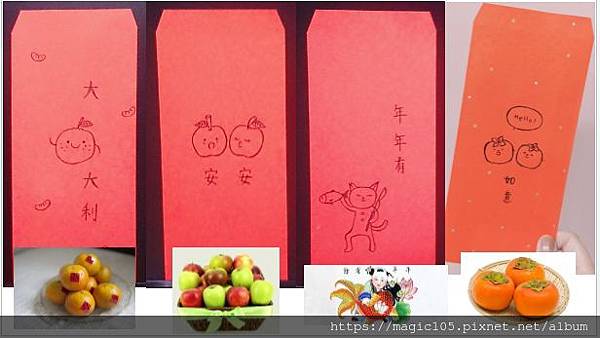
For the coming Chinese New Year, we are going to write some lucky idioms in Chinese and design the red envelopes on our own.
Most foreigners think that Chinese Idioms are very difficult to understand. As an Instructor, you may vary your activity to make Chinese Idioms easier to understand. Today I would like to combine Chinese New Year and design red envelope together to make Chinese Learning with happiness and joy.
( photo credit: https://www.facebook.com/Ms.ArtTherapy/ )
Lesson Plan
WARM UP
- Jan 24 Fri 2020 08:18
-
2020 Chinese Concersation Hour
Dear all
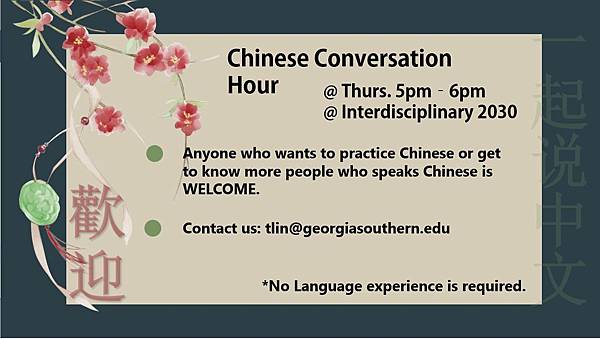
Leaning Chinese can't be alone. Come and join our Chinese Conversation Hour to meet people who want to learn Chinese or are interested in Chinese Culture. In addtion, we all know that there is limited time that you can practice your Chinese in class so we have another chance for you to practice your Chinese once a week in the Interdisplinary Building Classroom 2032 on erery Thursday from 5pm to 6 pm.
What do you do at Chinese Conversation Hour?
week 1 0123 Chinese New Year Party
Dr. ZZ and Ms. Pu prepared some traditional home-made dishes to share with everyone. Ms. Lin taught some lucky idioms and we designed the red envelopes together.
- Nov 12 Tue 2019 03:46
-
东直门饭馆 Dōng zhí mén fànguǎn (Expanded version)
(by DR.ZZ)
东直门饭馆 Dōng zhí mén fànguǎn (Expanded version)
- Oct 24 Thu 2019 04:20
-
Du Fu 杜甫

Du Fu 杜甫
Du Fu (also known as Tu Fu) wrote in the High Tang period. His work is very diverse, but his most characteristic poems are autobiographical and historical, recording the effects of war on his own life. Du Fu (Wade–Giles: Tu Fu; Chinese: 杜甫; 712 – 770) was a prominent Chinese poet of the Tang dynasty. Along with Li Bai (Li Po), he is frequently called the greatest of the Chinese poets.[1] His greatest ambition was to serve his country as a successful civil servant, but he proved unable to make the necessary accommodations. His life, like the whole country, was devastated by the An Lushan Rebellion of 755, and his last 15 years were a time of almost constant unrest.
杜甫(712年—770年),字子美,自号少陵野老,唐代伟大的现实主义诗人,与李白合称“李杜”。原籍湖北襄阳,后徙河南巩县。为了与另两位诗人李商隐与杜牧即“小李杜”区别,杜甫与李白又合称“大李杜”,杜甫也常被称为“老杜”。杜甫少年时代曾先后游历吴越和齐赵,其间曾赴洛阳应举不第。三十五岁以后,先在长安应试,落第;后来向皇帝献赋,向贵人投赠。官场不得志,亲眼目睹了唐朝上层社会的奢靡与社会危机。天宝十四载(755年),安史之乱爆发,潼关失守,杜甫先后辗转多地。乾元二年(759年)杜甫弃官入川,虽然躲避了战乱,生活相对安定,但仍然心系苍生,胸怀国事。创作了《登高》《春望》《北征》《三吏》《三别》等名作。虽然杜甫是个现实主义诗人,但他也有狂放不羁的一面,从其名作《饮中八仙歌》不难看出杜甫的豪气干云。杜甫的思想核心是儒家的仁政思想,他有“致君尧舜上,再使风俗淳”的宏伟抱负。杜甫虽然在世时名声并不显赫,但后来声名远播,对中国文学和日本文学都产生了深远的影响。杜甫共有约1500首诗歌被保留了下来,大多集于《杜工部集》。 [3]大历五年(770年)冬,杜甫病逝,时年五十九岁。杜甫在中国古典诗歌中的影响非常深远,被后人称为“诗圣”,他的诗被称为“诗史”。后世称其杜拾遗、杜工部,也称他杜少陵、杜草堂。
youtube
1. calligraphy 郭春甫老師示範行書 旅夜書懷 https://www.youtube.com/watch?v=_g_Mn5H7ZrE
- Oct 24 Thu 2019 04:09
-
Li Bai 李白
Li Bai 李白
Li Bai (701–762), also known as Li Bo, courtesy nameTaibai, was a Chinese poet acclaimed from his own day to the present as a genius and a romantic figure who took traditional poetic forms to new heights. He and his friend Du Fu (712–770) were the two most prominent figures in the flourishing of Chinese poetry in the Tang dynasty, which is often called the "Golden Age of Chinese Poetry". Li Bai (also known as Li Bo or Li Taibai), of the High Tang period, ranks alongside Du Fu as one of the two leading figures of Chinese poetry. He was a Byronic figure, whose life as well as his verse embodied the Romantic cliches of freedom, spontaneity and defiance of convention.
李白(701年-762年),字太白[1],号青莲居士。是中国唐代个着名诗人,有“诗仙”个称号。李白搭仔杜甫合称“李杜”
poem
Sitting Alone on Jingting Shan Hill
- Oct 24 Thu 2019 04:01
-
Wang wei 王維

王维简介:
王维(701年-761年),字摩诘,河东(今山西永济)人,祖籍山西祁县,唐朝诗人,外号“诗佛”。今存诗400余首。王维精通佛学,佛教有一部《维摩诘经》,是维摩诘向弟子们讲学的书,王维很钦佩维摩诘,所以自己名为维,字摩诘。王维诗书画都很有名,非常多才多艺。音乐也很精通。受禅宗影响很大。王维早年有过积极的政治抱负,希望能作出一番大事业,后值政局变化无常而逐渐消沉下来,吃斋念佛。
(Wángwéi (701 nián-761 nián), zì mó jié, hédōng (jīn shānxī yǒng jì) rén, zǔjí shānxī qí xiàn, táng cháo shīrén, wài hào “shī fú”. Jīn cún shī 400 yú shǒu. Wángwéi jīngtōng fóxué, fójiào yǒuyī bù “wéimó jié jīng”, shì wéimó jié xiàng dìzǐmen jiǎngxué de shū, wángwéi hěn qīnpèi wéimó jié, suǒyǐ zìjǐ míng wèi wéi, zì mó jié. Wángwéi shī shūhuà dōu hěn yǒumíng, fēicháng duōcáiduōyì. Yīnyuè yě hěn jīngtōng. Shòu chánzōng yǐngxiǎng hěn dà. Wángwéi zǎonián yǒuguò jījí de zhèngzhì bàofù, xīwàng néng zuòchū yī fān dà shìyè, hòu zhí zhèngjú biànhuà wúcháng ér zhújiàn xiāochén xiàlái, chīzhāi niànfó. )
Wang Wei(Chinese: 王維; 699–759) was aChinese poet, musician, painter, and politician during the Tang dynasty. He was one of the most famous men of arts and letters of his time. Many of his poems are preserved, and twenty-nine were included in the highly influential 18th-century anthology Three Hundred Tang Poems.
- Oct 23 Wed 2019 05:37
-
一棵开花的树 席慕容

- Oct 23 Wed 2019 05:24
-
卖炭翁 白居易
- Oct 23 Wed 2019 05:11
-
悯农 李绅
- Oct 23 Wed 2019 04:19
-
CCH - make an order in Chinese Restaurant

Dear all
Thanks for coming last week. Next week (1031), Miss Lin is going to introduce different Chinese dishes and we are going to learn, "How to make an order in Chinese Restaurant." Besides, we are going to share some culture shock with you like Chinese people tend to share their food and If others take the bill you must treat them back.
点菜 : 我要一个。。。。。
Share food : 还要一碗汤和三碗mifang
Come and join us on every Thursday from five to six at IAB 2030.
